From Commissioning to Reality: Supporting New Technology in the Field
What it actually takes to make methane-to-graphene systems work in the real world
By James Cross, with the Levidian Field Operations Team
It’s easy to think the hard work is done once a new piece of equipment is installed.
It isn’t.
If anything, that’s when the real work starts.
At Levidian, we’re still in that phase. Our LOOP systems are out in the field, running on real sites, moving from pilot into early production. They work – but like any new technology, they’re still being proven in environments that are far less controlled than a test facility.
Installation is a milestone. Commissioning is a step forward. But getting something to run reliably, day in, day out, in a live plant is where the real effort goes.
Installation is the Easy Part
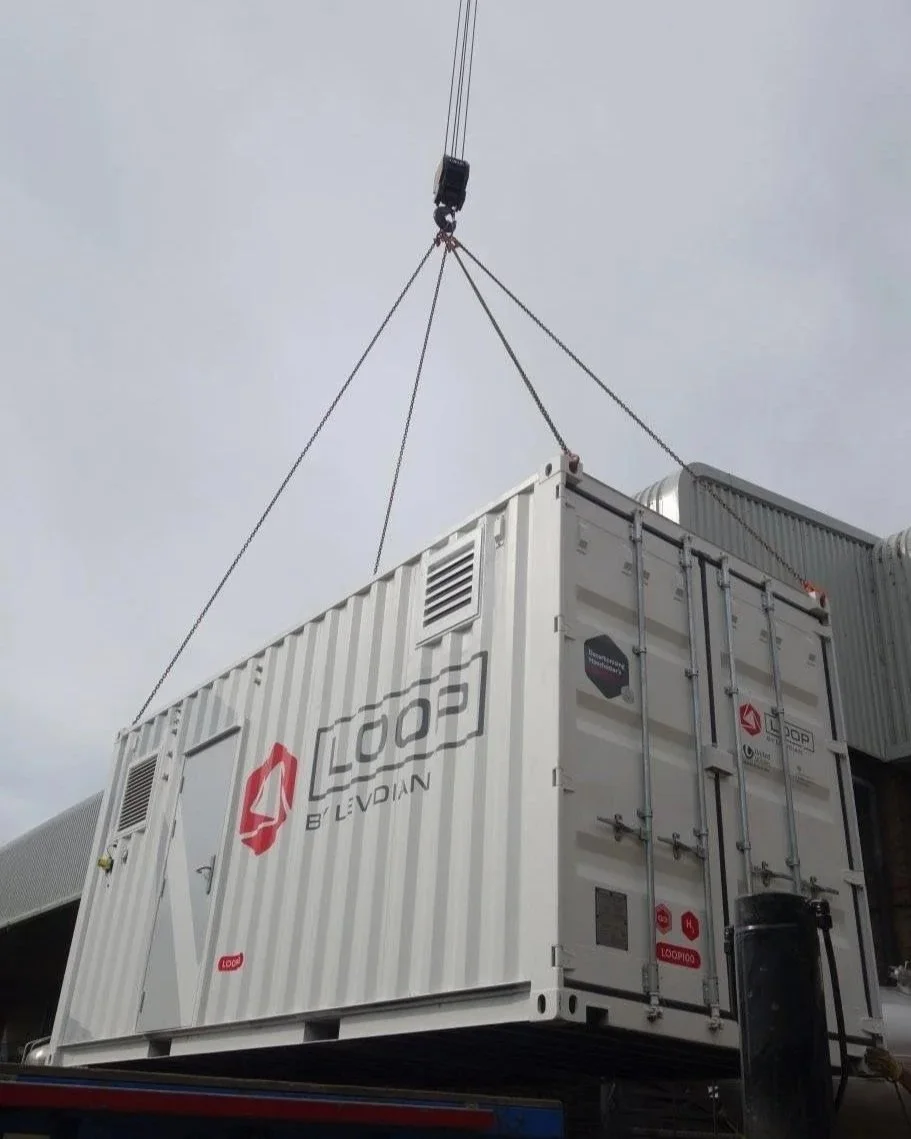
Getting a system on site, connected and running is important, but it’s only the start.
In testing, conditions are stable. Inputs are known. You can isolate variables and understand behaviour. In the field, you don’t get that luxury.
With LOOP, we’re taking methane, splitting it into hydrogen and solid carbon, and producing graphene at the same time. In many cases, it’s the first time those streams have been handled together on that site.
That brings a level of complexity that doesn’t fully show up in controlled environments.
So the job isn’t just to start the system. It’s to make it run continuously, safely and predictably alongside everything else on that site.
Every Site – and Every Machine – is Different
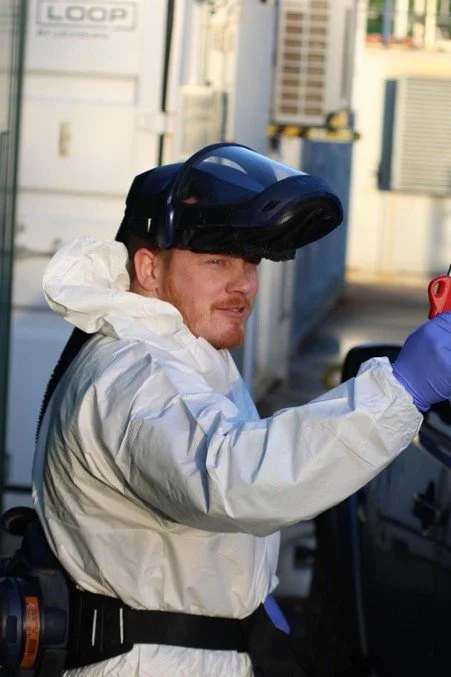
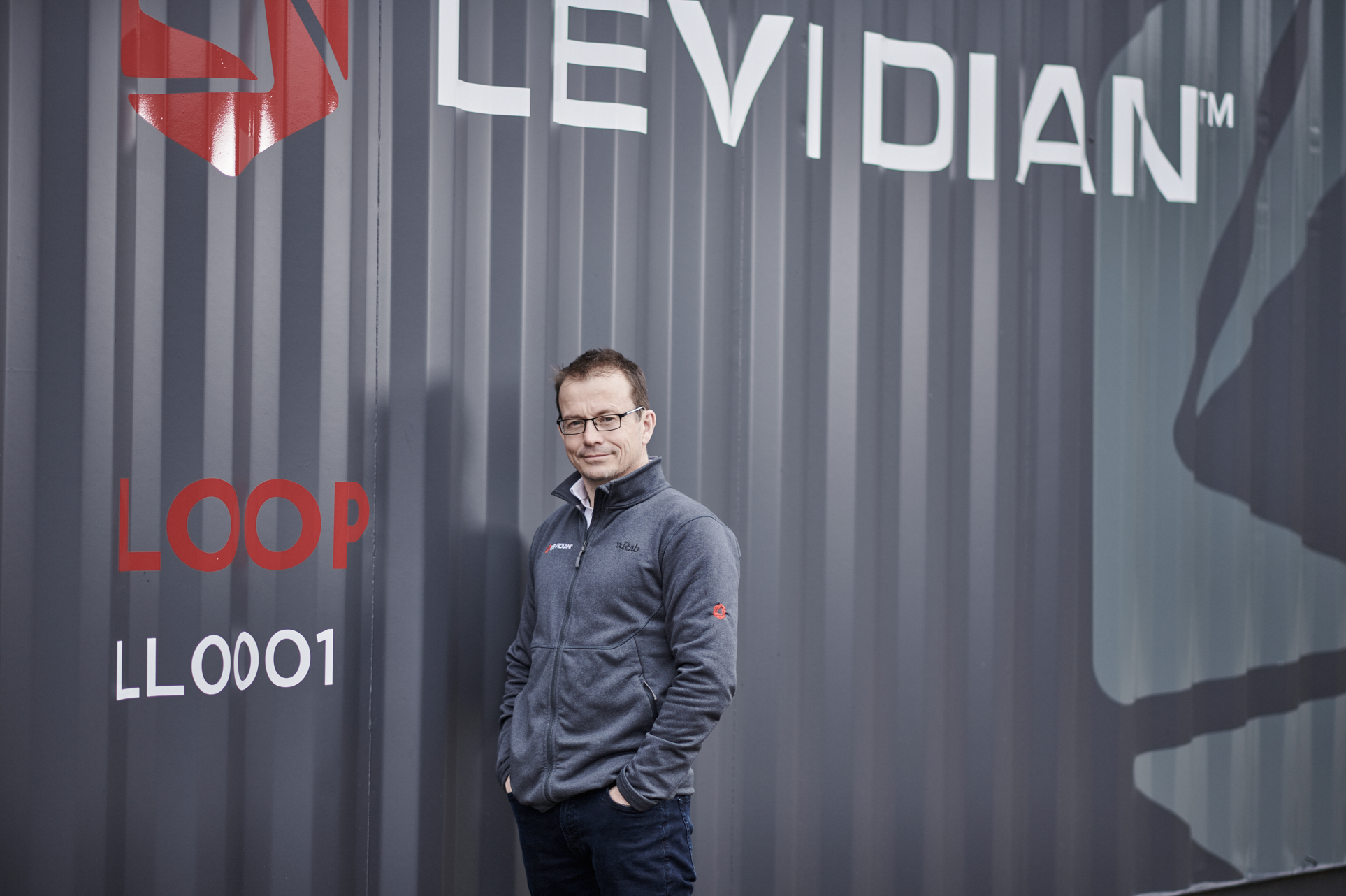
Tom Carter - Senior Field Service Engineer
No two sites behave the same.
We’ve seen that across very different environments – from a working farm in the UK processing biogas, through to a live gas processing plant with ADNOC in Abu Dhabi.
On paper, you can define operating conditions. In practice, they move.
Gas composition varies. Flow rates change. Ambient conditions shift. The way the plant is operated day to day is rarely identical.
And at this stage, it’s not just the sites.
Each machine has its own behaviour. They’re built to the same design intent, but they’re still part of an evolving platform. Small differences in setup, operation or environment can lead to different outcomes.
So you’re not just standardising across sites. You’re learning across machines at the same time.
That’s part of moving from pilot to something repeatable.
“Having worked in both Malaysia and the UAE, my approach remains consistent. I prioritise respect, dependability, and exceeding customer expectations. Because I often work independently in the field, I believe that stellar after-sales service is crucial. It builds lasting trust and sets us apart from competitors. While the culture and environment differ between Malaysia and the UAE, I truly believe a strong consistent work ethic is universal.” - Rommell Book - Field Service Engineer
The Unexpected is Normal
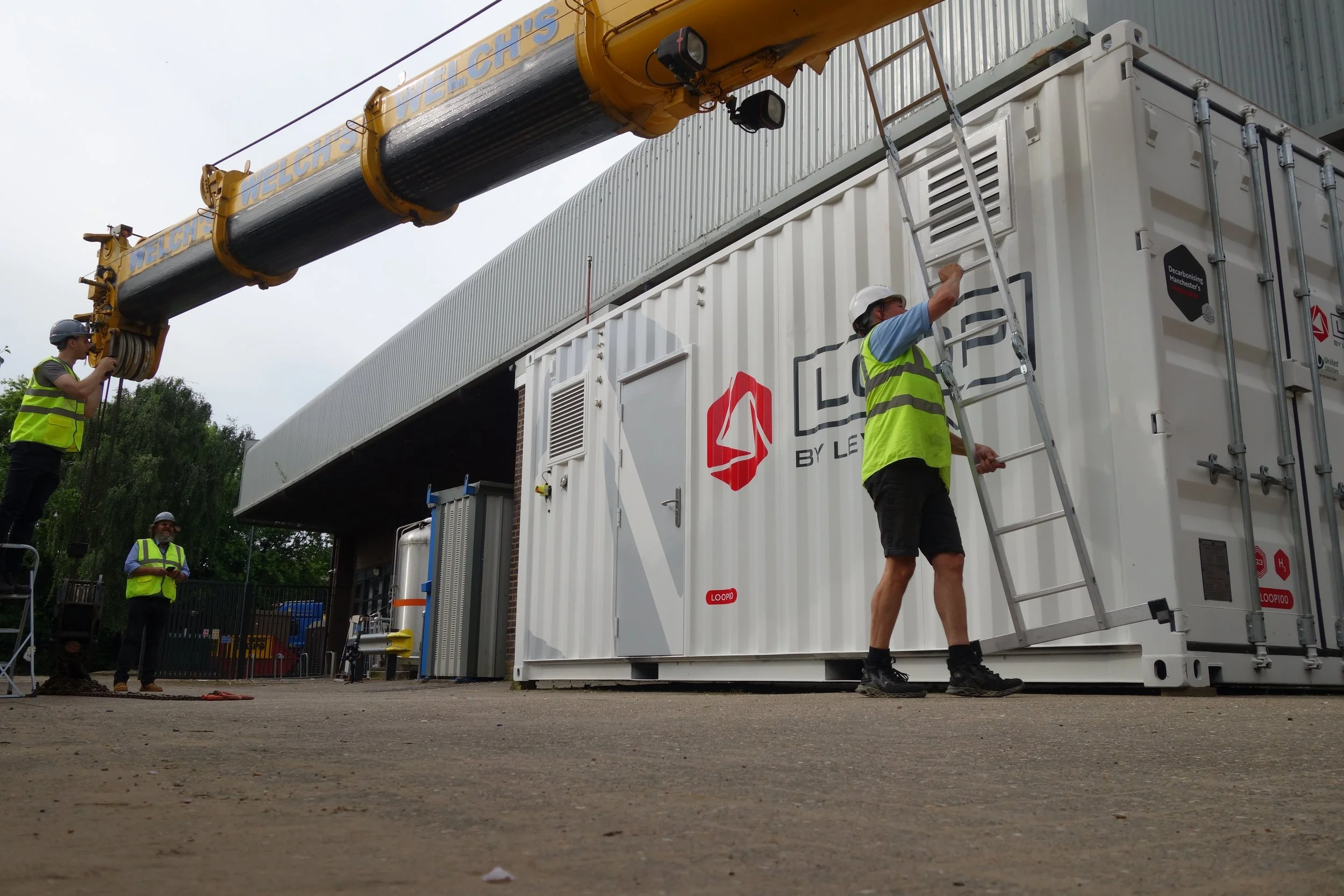
Things don’t always behave exactly as designed.
That’s not a criticism. It’s the reality of taking something out of a controlled setting and putting it into a live plant.
You see effects that didn’t show up in earlier testing. You see interactions between systems that weren’t obvious before. And you see how sensitive performance can be to conditions that look minor on paper.
There’s usually a point where you realise, you’re no longer following a plan – you’re working through it in real time. That’s when the learning starts to accelerate.
New technology doesn’t fail in the lab. It fails at 2am on site.
What matters is how quickly you understand what’s happening, how you respond, and how you feed that learning back into the system.
“One of the best things about managing Field Service Engineers is seeing how committed they are to getting the job done, no matter what challenges the day throws at them.” – Jack Worsfold – Field Services Manager
Learning in Real Time
At this stage, learning isn’t occasional. It’s continuous.
Every site teaches you something. Every run gives you data. And what you learn in one place often shows up somewhere else in a slightly different way.
In many cases, this isn’t just optimisation. It’s industrial qualification in real operating environments.
And it’s not just us learning.
Our customers are learning at the same time. For many of them, this is the first time they’ve had methane, hydrogen and a solid carbon product interacting in one system. It’s new ground.
So, confidence builds gradually.
It builds through:
Understanding how the system behaves
Seeing stable performance over time
Knowing how to respond when something isn’t quite right
That’s what moves things forward. Not a single good run, but repeated, predictable operation.
That’s what gives people the confidence to think about scaling up.
“I enjoy learning new things, improving myself every day, and working in a positive and supportive team. I’m happy to be part of Levidian, where I get the opportunity to grow and learn continuously. “ - Bijesh Thuppooth Unnikrishnan - Junior Field Service Engineer
A Small Team, Carrying the Responsibility
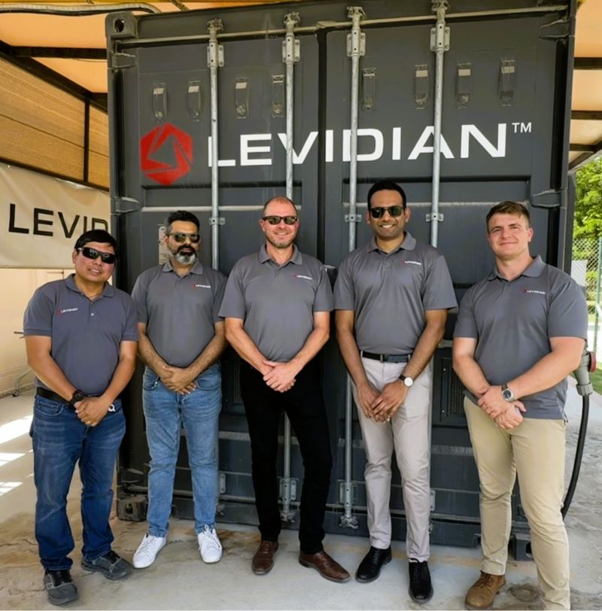
At the moment, our field capability is still relatively small.
We have a core team in the UK and a growing presence in the UAE, supporting sites across very different environments. It’s a tight group, but one that’s closely connected to both the technology and the reality of how it performs.
In practice, these teams are doing more than support.
They are the ones standing in front of the customer when something isn’t behaving as expected. They are the ones working through issues, explaining performance, and building trust over time.
In many ways, they are the technical sales force.
Reputation is built or lost in those moments – not in presentations, but in how problems are handled, how quickly things are resolved, and how openly teams work together.
This is where commercial intent becomes operational reality.
Local presence matters – being on site, understanding the plant, working alongside operators. But just as important is the link back to central engineering. The ability to share learning, pull in expertise and improve the system.
“Field Service Engineers spend a huge amount of time supporting customers directly, and the relationships they build are just as important as the technical work they deliver.” – Jack Worsfold - Field Services Manager
People Make the Difference
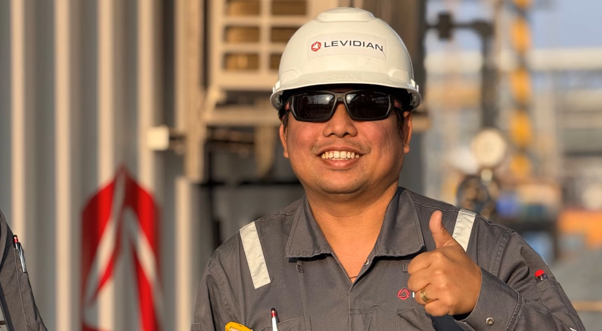
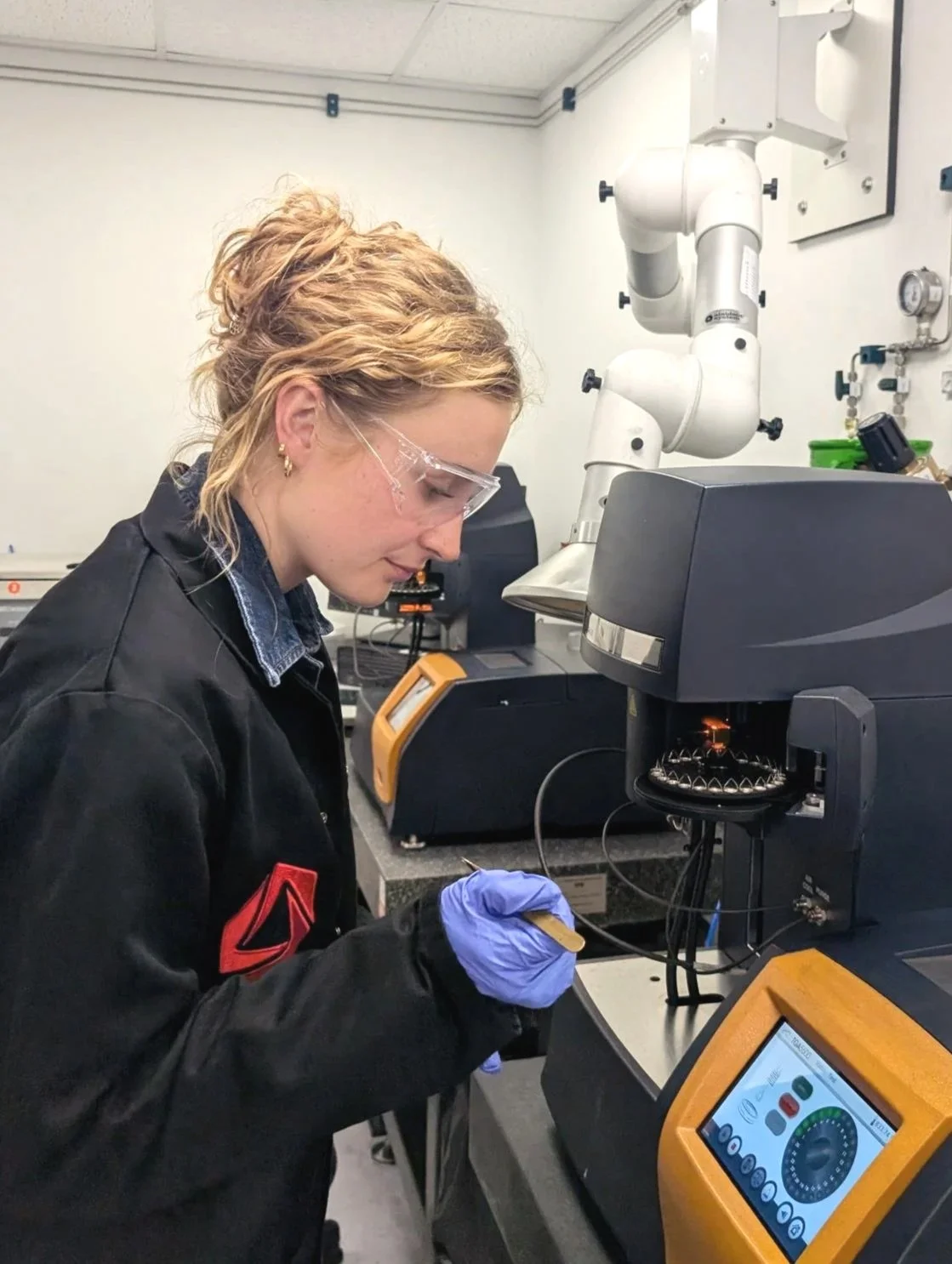
Rommell Book - Field Service Engineer
As with most things in the field, success comes down to people as much as technology.
Operators, site teams and our own engineers are the ones who see how systems behave over time. They notice patterns, pick up on small changes and often spot issues early.
The best field engineers tend to think in a similar way. Calm, practical, and not easily surprised. If something doesn’t look right, they’ll stay with it until they understand why.
Strong working relationships matter.
If something isn’t behaving as expected, it needs to be surfaced early, not hidden. The best outcomes come when teams work through problems together.
That’s what turns a deployment into something that actually works.
“Levidian offers an inspiring environment where diverse talent collaborates to achieve a clear goal turning pilot technologies into scalable, profitable graphene production. Our dedicated team consistently goes above and beyond and I am confident we will continue setting industry milestones. The future for Levidian is exceptionally bright as we expand our market presence.” - Rommell Book - Field Service Engineer
Consistency is Built, Not Assumed
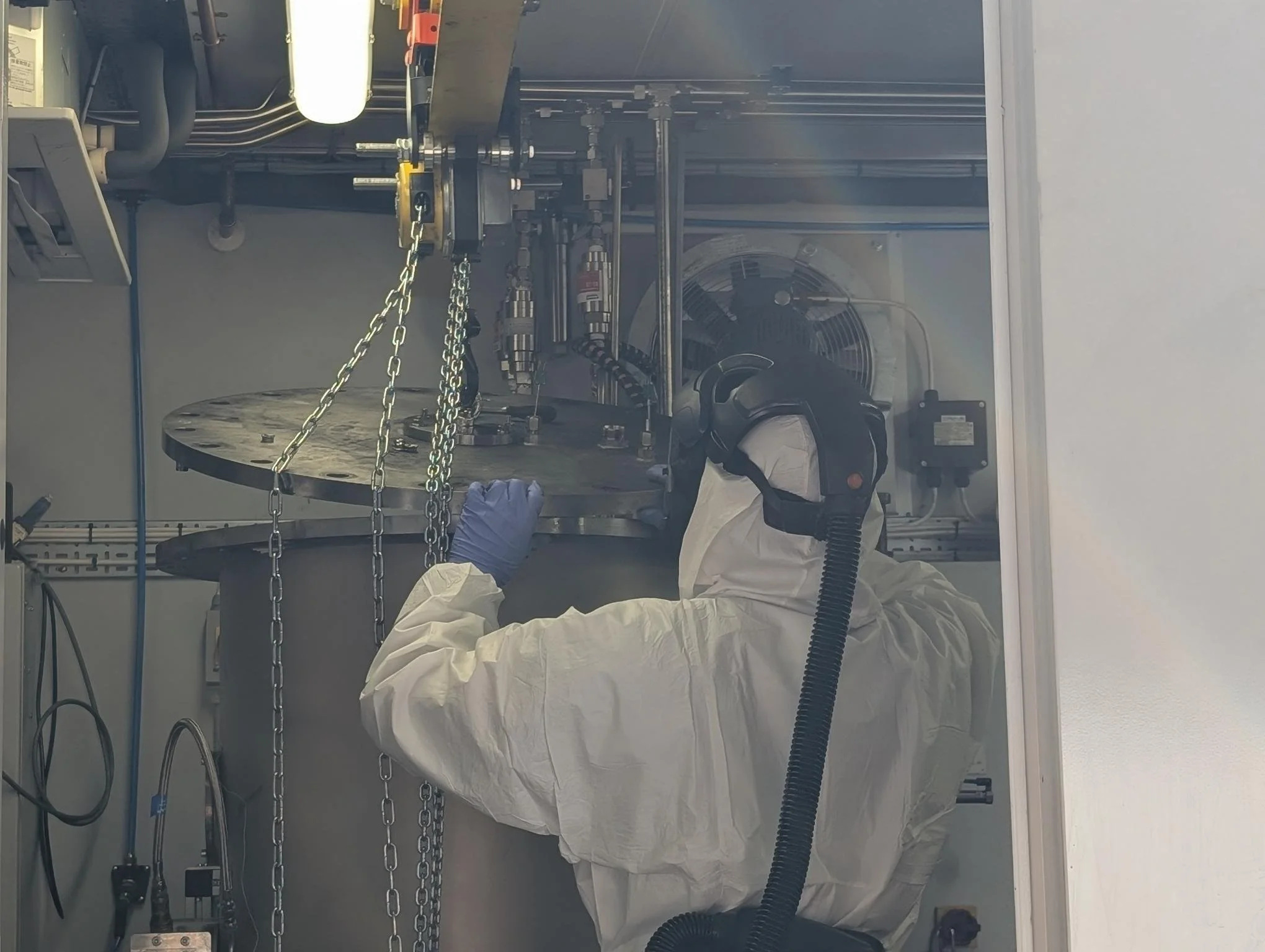
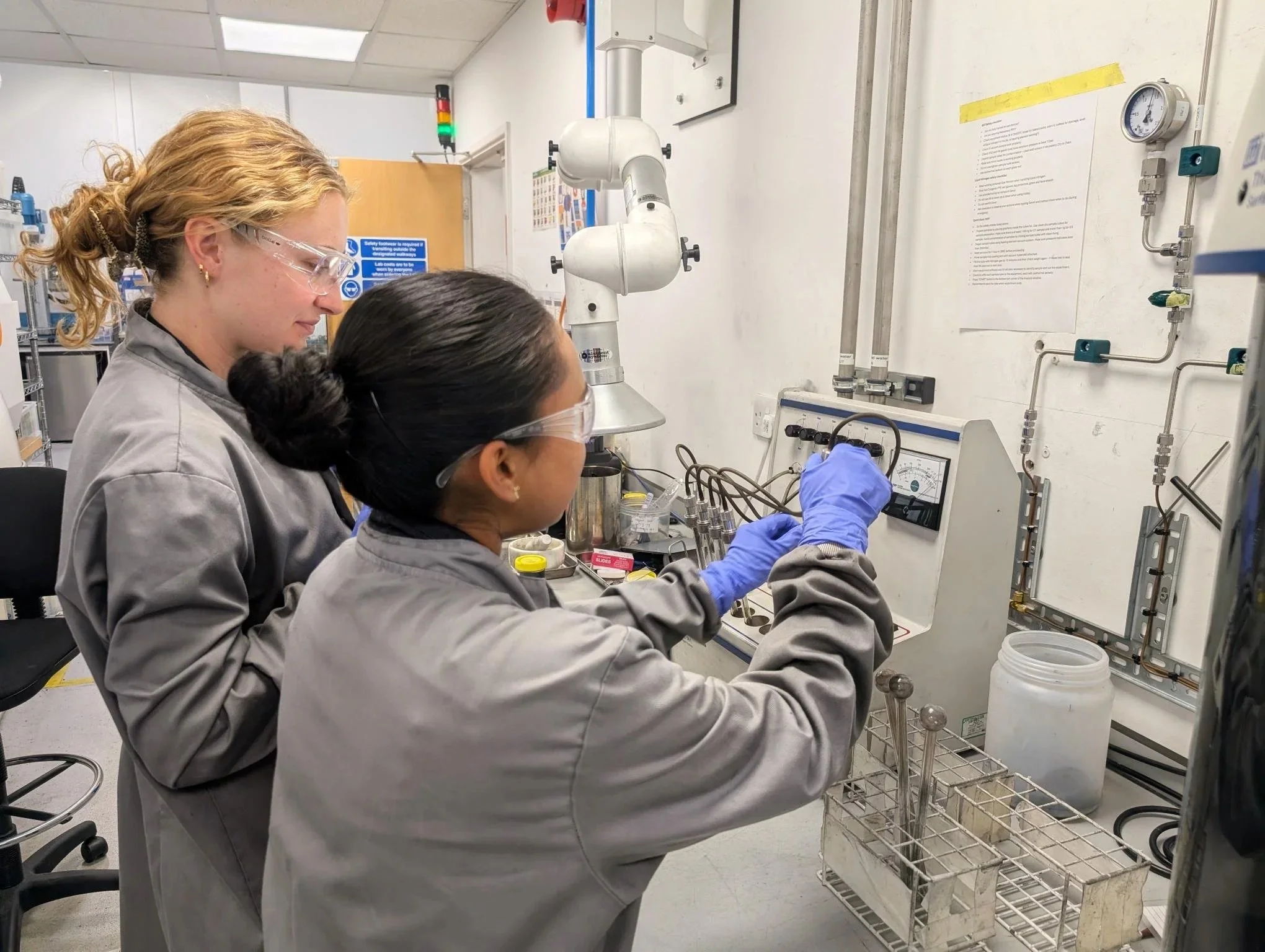
Jamie Clynes - Junior Field Service Engineer
At this stage, consistency isn’t something you assume. It’s something you build.
It comes from:
Time on site
Understanding behaviour under different conditions
Refining operating procedures
Improving hardware and controls
Feeding learning back into the design
The difference between a pilot and a product is what happens in the field.
That’s where variability is reduced, performance stabilises, and systems become something operators can rely on.
“I enjoy working hands on with interesting new technology. Its engaging to work on something that is under constant improvement” - Jamie Clynes - Junior Field Service Engineer
From First Operation to Reliable Production
There’s always a moment when a system first runs successfully on site. It matters.
But it’s not the end point.
The real test comes afterwards.
Does it keep running?
Does it fit into normal operations?
Does it deliver consistent output over time?
That’s when something moves from being new, to being useful.
"Deploying and maintaining the LOOP units gives a unique perspective and opportunities . You get to see how all of the elements of the business work together and sometimes where improvement can be made. It's not just about the machines themselves but also about having a voice in improving systems within a growing and changing business and meeting new people in a variety of countries.” - Tom Carter - Senior Field Service Engineer
Making It Work
Supporting new technology in the field isn’t always straightforward.
It takes time, attention to detail and a willingness to deal with things that don’t go to plan. But it’s also where the most valuable progress is made.
Over time, systems improve. Teams get more comfortable. Performance becomes more predictable.
There’s no real substitute for time on site. You can see it in the team – the more time they spend with a system, the more intuitive it becomes.
And what started as something new becomes something that works.
That’s when you know you’re not just running a pilot.
You’re building something that can scale.