If Graphene Wins, We All Win
The power of partnerships in building new industrial markets
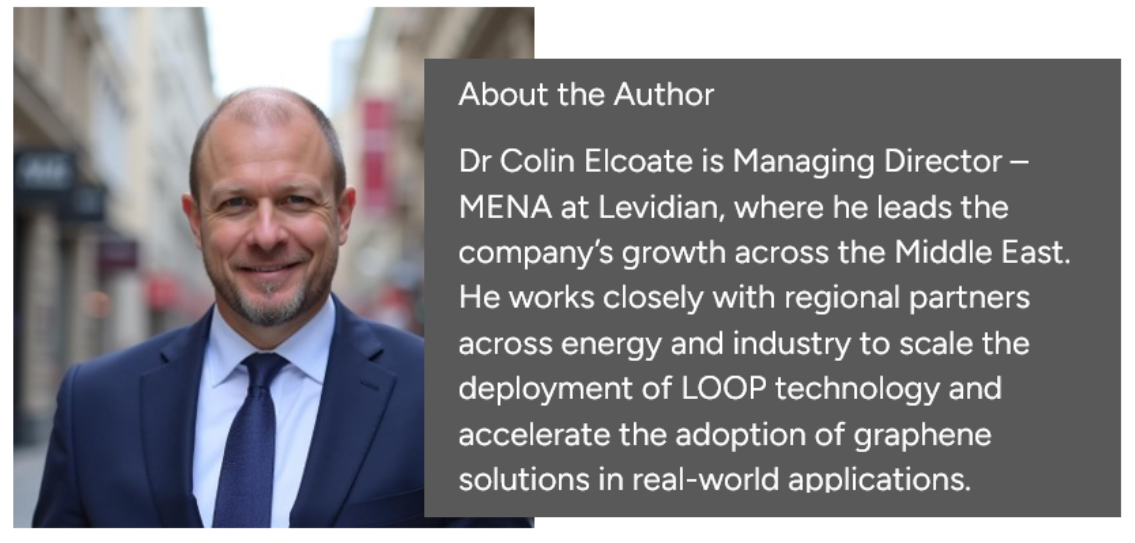
By Dr Colin Elcoate, Managing Director - MENA, Levidian
I've spent much of my career developing industrial technologies and taking them into new markets around the world, and one lesson keeps coming back: having a great technology is rarely enough.
Some of the most rewarding experiences in my career have come from working with partners where the opportunity we created together was considerably greater than anything we could have achieved independently.
Good partnerships give us access to new markets, different perspectives, complementary capabilities and relationships that might otherwise take years to develop. They can also challenge our thinking and fundamentally change the direction of a business.
I see exactly the same opportunity in the graphene industry today.
Building a market together
There is a fundamental difference between competing in an established market and building a new one.
In an established market, the customers, supply chains, standards and commercial models are largely understood. In an emerging market, many of those things still need to be developed.
That requires a different mindset.
No single business is likely to have all the technology, expertise, resources and market access needed to do that effectively. Recognising what others can bring to the table, and being open to working with them, can significantly accelerate progress.
At Levidian, we understand how to manufacture graphene, but our partners and customers understand their applications, manufacturing processes and markets far better than we ever will.
In some instances, the best solution may even involve combining our graphene with materials produced by companies we might otherwise consider competitors.
If that delivers a better commercial outcome for the customer, we should see it as a success.
Global ambition, local delivery
Having worked across a number of international markets, I've learned that having a global ambition doesn't mean adopting the same approach everywhere.
Markets differ. Industrial priorities, customer expectations, supply chains, cultures and government ambitions all influence how a business needs to operate.
Working with established local partners can make an enormous difference. They bring market knowledge, relationships, credibility and an understanding of how business is done that can take an international company years to develop independently.
I also believe that localisation, when done well, can be a significant competitive differentiator.
It's not simply about establishing a local office, meeting local content requirements or manufacturing closer to the customer. It's about becoming part of the local industrial ecosystem - developing capabilities, sharing knowledge, building local supply chains and creating value that remains in the region.
In the Middle East, where countries have clear ambitions to diversify their economies, develop new industries and build domestic manufacturing capabilities, I see enormous opportunity for this approach.
The best international partnerships combine global technology and expertise with local knowledge, ambition and the ability to deliver.
Creating opportunities together
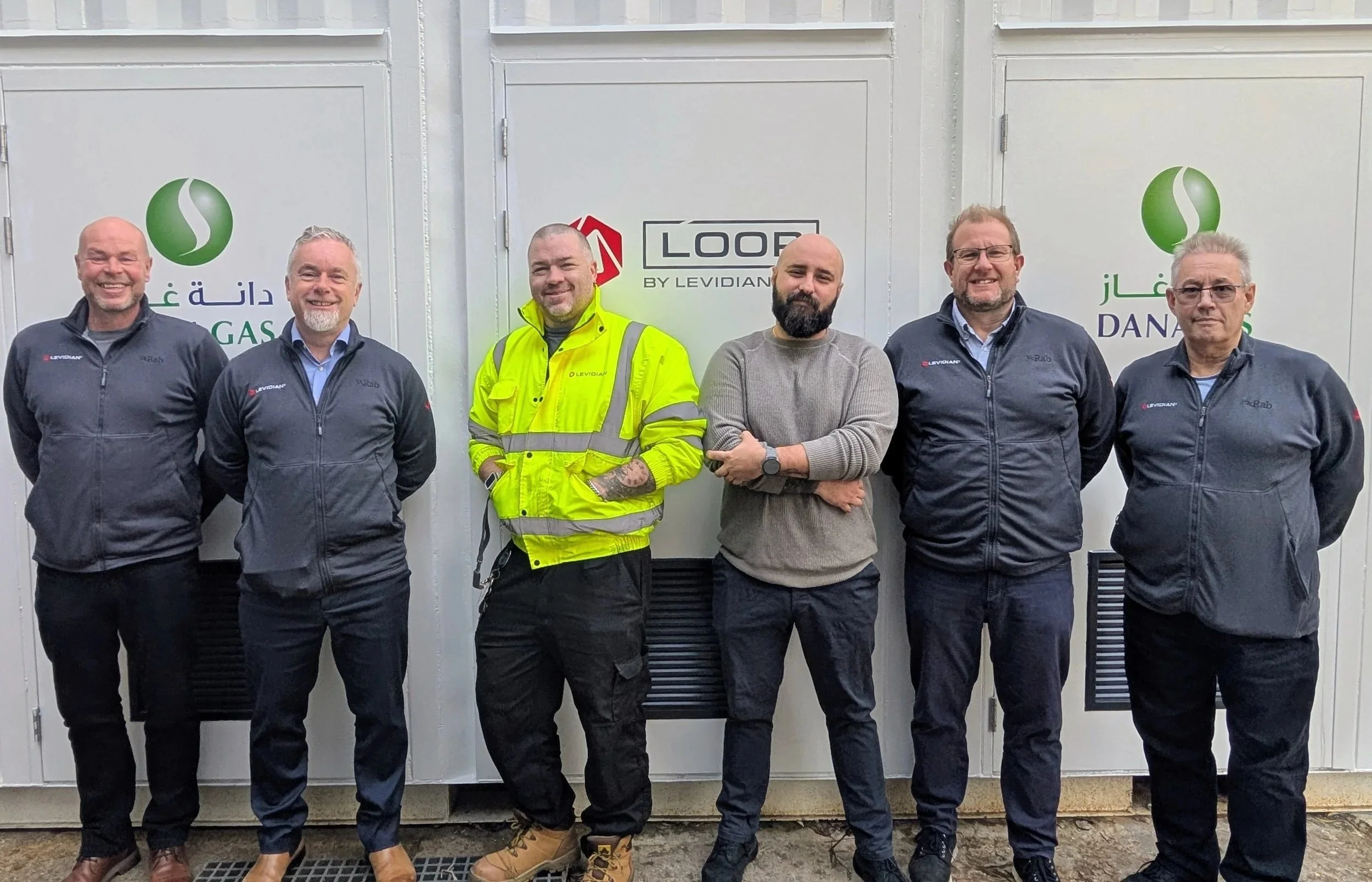
Our partnership with Dana Gas is a great example of how a relationship can evolve when both parties are open to exploring opportunities beyond the original scope.
What began as a collaboration focused on deploying LOOP technology within Dana Gas's operations has evolved into a shared ambition to establish a graphene production hub in the UAE.
That thinking developed into the Sharjah Graphene Park concept - not simply a place to manufacture graphene, but a platform for wider industrial collaboration, bringing together technology providers, application specialists, research institutions and customers.
With production underway, our LOOP100 recently delivered to site and further capacity in manufacture, we're beginning to turn that shared ambition into reality.
Neither party set out with exactly this vision at the beginning of the relationship. It developed through working together, understanding each other's businesses and recognising a much bigger opportunity.
For me, that's the real power of partnerships - not simply delivering what was originally agreed, but creating opportunities that neither party had previously considered.
Signing is the easy part
I've signed plenty of agreements over the years, and I've learned that the signature is usually the beginning of the hard work, not the end.
Successful partnerships need trust, genuinely aligned objectives, complementary capabilities and a willingness to commit resources long before the financial returns are certain.
They also need patience, but patience shouldn't be confused with a lack of urgency.
What are we trying to achieve? Who is responsible for delivering it? What does success look like? And, crucially, what happens if we're successful?
The relationship also needs to work commercially for everyone involved. A partnership in which only one party benefits is unlikely to stand the test of time.
Not every partnership will succeed, and that's fine. What matters is being honest about the challenges, learning quickly and concentrating our collective efforts where there is genuine commercial opportunity.
I'd much rather see a focused partnership deliver one commercially viable outcome than an ambitious agreement generate a dozen workstreams that never progress.
A bigger opportunity for everyone
There is sometimes a temptation in emerging industries to protect every opportunity, compete for every customer and treat other technology companies as potential threats.
Businesses absolutely need to protect their intellectual property, earn a return on investment and create value for shareholders. But collaboration and competition aren't mutually exclusive.
When we're building a new industrial market, the success of others can actually help our own business. Every successful application builds confidence, reduces perceived risk and makes the next customer conversation a little easier.
Personally, I'd rather have a smaller share of a much bigger market than a dominant share of a market that never develops.
At Levidian, we're ambitious about what our technology can achieve, but equally realistic about the role others will play in getting us there.
We're open to working with businesses of all sizes, established industrial players, emerging technology companies and research institutions - including those we might compete with elsewhere.
Building new industrial markets, particularly across international boundaries, is rarely something we can achieve alone. It takes people and businesses with different capabilities, a shared ambition and the willingness to create lasting commercial value together.
Graphene is no exception.
Because ultimately, if graphene wins, we all win.