Graphene Functionalisation: Why One Size Doesn't Fit All
By Shruti Kabra
Graphene has enormous potential across industries ranging from composites and polymers to energy storage and coatings. However, from my experience working with graphene in the laboratory, producing high-quality graphene is only part of the challenge. The real test is ensuring those properties translate into consistent performance once graphene becomes part of a real material system.
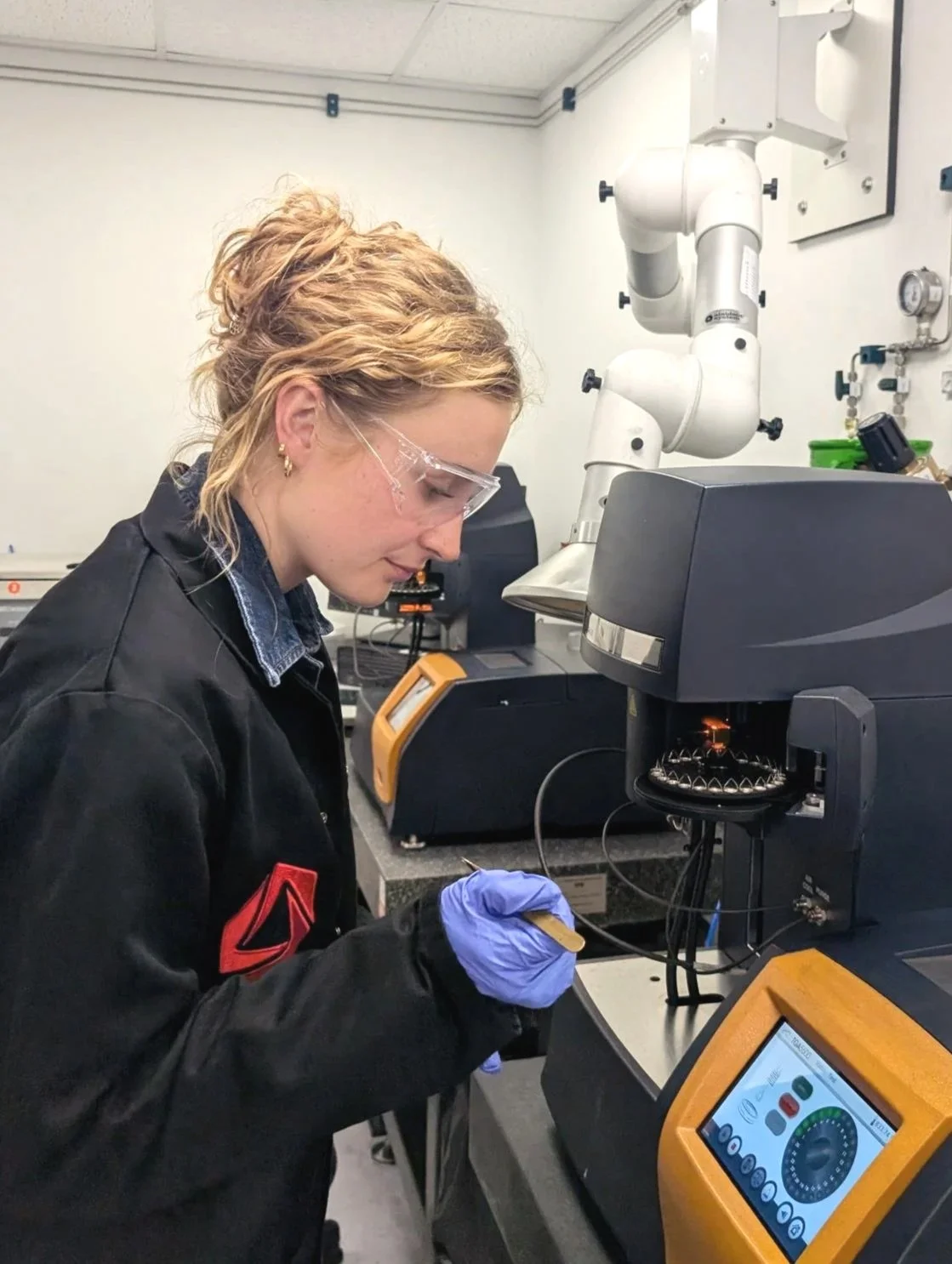
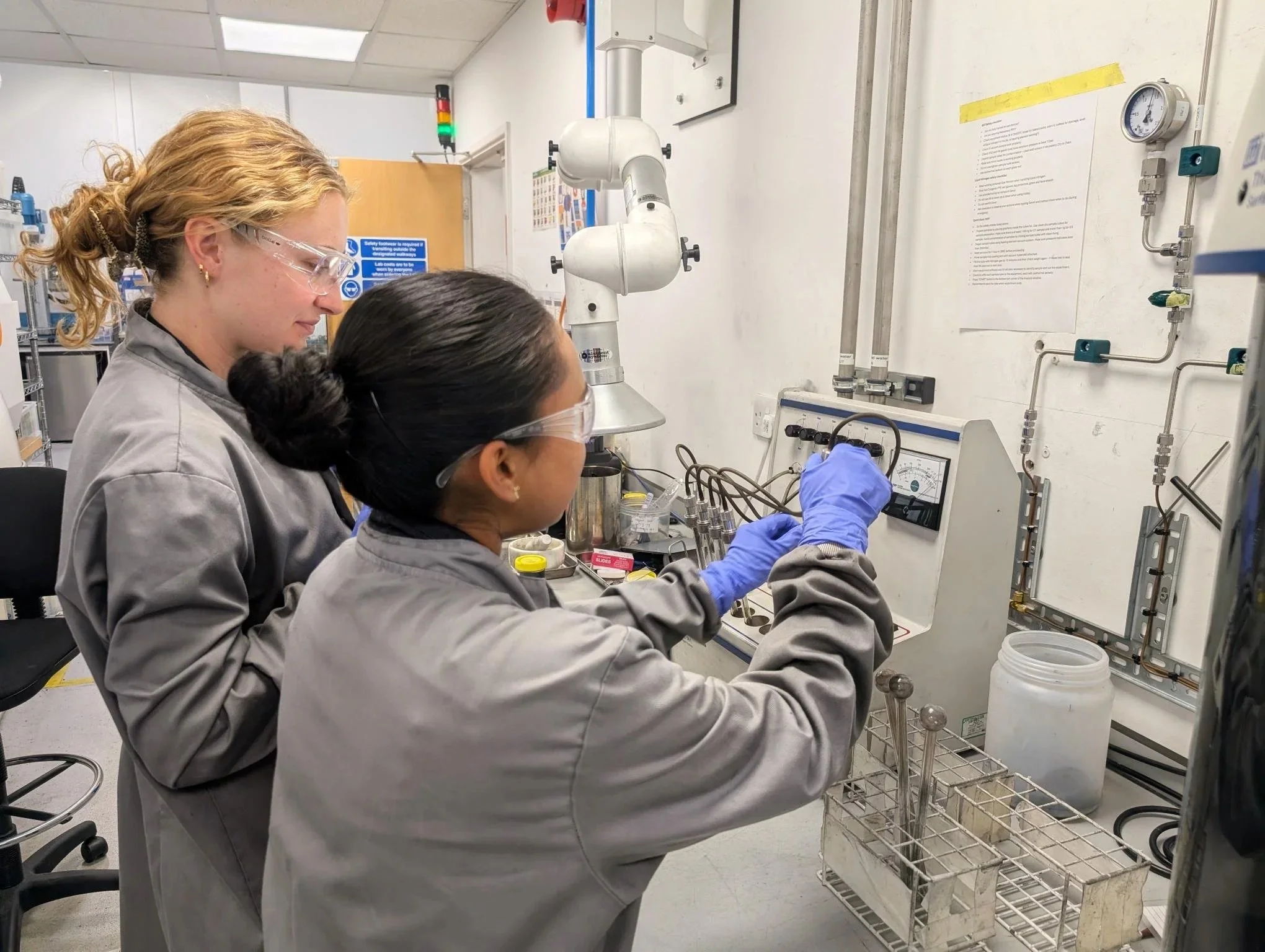
Much of my work focuses on developing stable graphene formulations. This involves finding the right combination of dispersants, surfactants and processing conditions, then monitoring stability over time to understand how the material behaves beyond the initial formulation stage.
It is a constant reminder that there is rarely a universal solution. Each application brings different requirements, and the way graphene interacts with its surrounding environment can have a significant impact on the final performance.
Starting with high-quality graphene
The foundation of any successful graphene-enabled product is high-quality graphene. Characteristics such as purity, layer number, lateral size and defect density all influence how the material behaves and how effectively its properties can be utilised.
From this foundation, the approach depends on the intended application.
In many systems, pristine graphene can provide excellent performance because of its intrinsic properties. In other applications, modifying the graphene surface can help tailor how it behaves within a specific material system.
This is where graphene functionalisation becomes an important part of materials engineering.
Why does graphene need functionalisation?
High-quality graphene provides the foundation for any graphene-enabled material. Properties such as purity, layer number, lateral size and defect density all influence how effectively graphene can contribute to a final product.
However, pristine graphene does not always interact effectively with every polymer, resin or formulation. Due to its strong interactions between graphene layers, it can sometimes form aggregates rather than dispersing evenly throughout a material. Poor compatibility can limit the ability to transfer graphene's exceptional properties into the final application.
This is where graphene functionalisation becomes valuable.
Graphene functionalisation involves modifying the graphene surface by introducing specific chemical groups or molecules. These modifications influence how graphene interacts with its surroundings, improving factors such as dispersion, compatibility and interfacial bonding.
For example, introducing oxygen-containing groups such as hydroxyl (-OH), carboxyl (-COOH) or epoxy groups can increase interaction with more polar materials and improve dispersion in certain systems. Other approaches involve attaching molecules or polymers to the graphene surface to enhance compatibility with specific polymer matrices.
The purpose of functionalisation is not to make graphene universally "better". Instead, it provides another way to tailor how graphene behaves within a particular application.
In some cases, pristine graphene is the best approach because it allows its intrinsic properties to be fully utilised. In others, functionalisation can help overcome compatibility challenges and enable better performance.
The application determines the right approach
One of the things I enjoy most about working with graphene is seeing how differently it behaves across different applications.The graphene itself may remain the same, but the environment in which it is being used changes.
I've also found that a dispersion which looks excellent on the day it's prepared doesn't always stay that way. Monitoring particle size distribution and long-term stability is just as important as developing the initial formulation. Ultimately, customers need materials that perform consistently, not just materials that perform well on day one.
A graphene material that performs exceptionally well in one formulation may require a completely different approach in another. The requirements for improving electrical conductivity can be very different from those for mechanical reinforcement, thermal management or barrier performance.
I have also found that achieving a successful dispersion is not only about the initial results. A formulation that looks excellent on the day it is prepared does not always remain that way. Monitoring particle size distribution and long-term stability is just as important as developing the formulation itself.
These experiences have reinforced an important lesson: start with the application, not simply the graphene.
Once the performance requirements are understood, the right strategy becomes clearer—whether that means using pristine graphene, applying functionalisation or developing a different dispersion approach.
Customers are not looking for graphene simply because it is an advanced material. They are looking for solutions to specific engineering challenges, whether that's improving durability, reducing weight, enhancing conductivity, improving thermal performance or creating new functionality within existing products. The role of materials development is to understand those challenges and determine how graphene can provide the greatest benefit.
Looking ahead
Graphene has already demonstrated extraordinary potential, but achieving reliable performance in real products requires more than producing excellent material. It requires understanding how graphene behaves within formulations, manufacturing processes and end-use applications.
For me, this is what makes working with graphene so interesting. Every formulation presents a different challenge, and every application provides an opportunity to learn something new.
The future of graphene will not be defined by a single solution. It will come from understanding when to preserve graphene's natural properties, when to modify its surface, and how to integrate it effectively into the materials and products where it can make the greatest impact.